


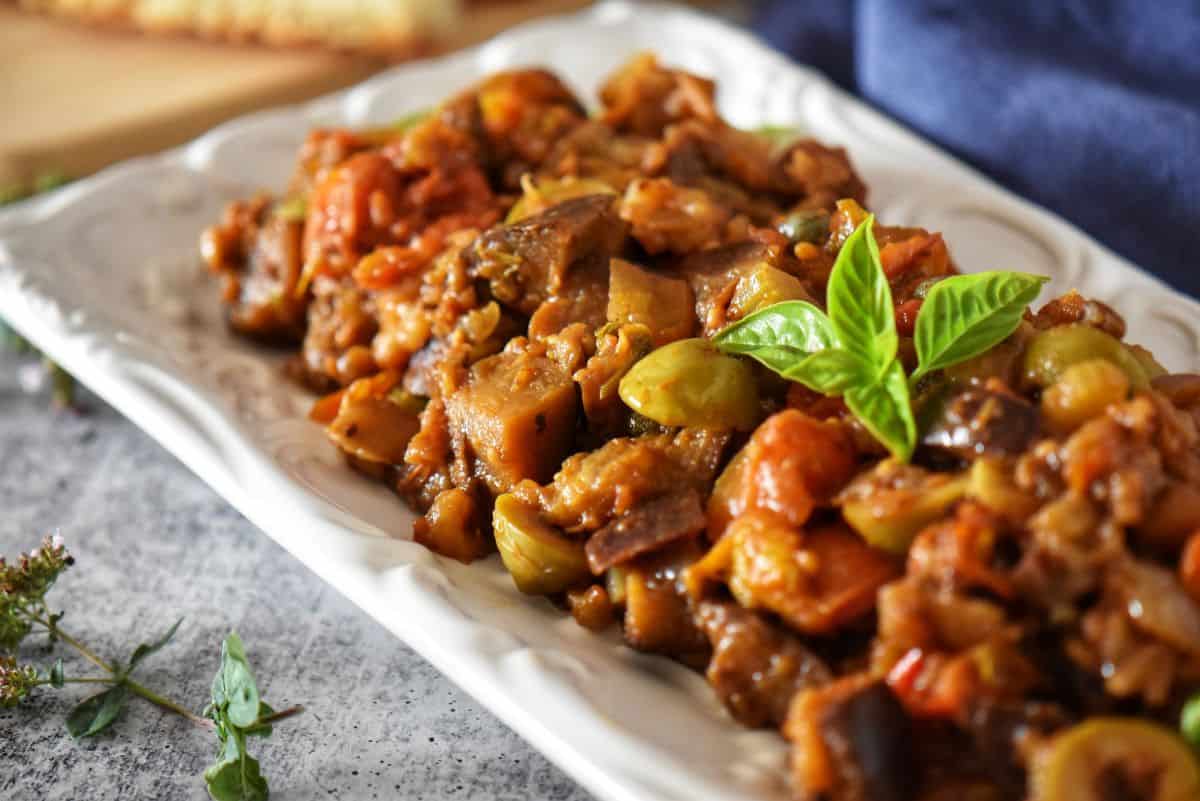
This eggplant caponata is made lighter: no deep frying, just one pot. Eggplant, cherry tomatoes, olives, and capers come together in a classic agrodolce sauce, ready in about an hour.
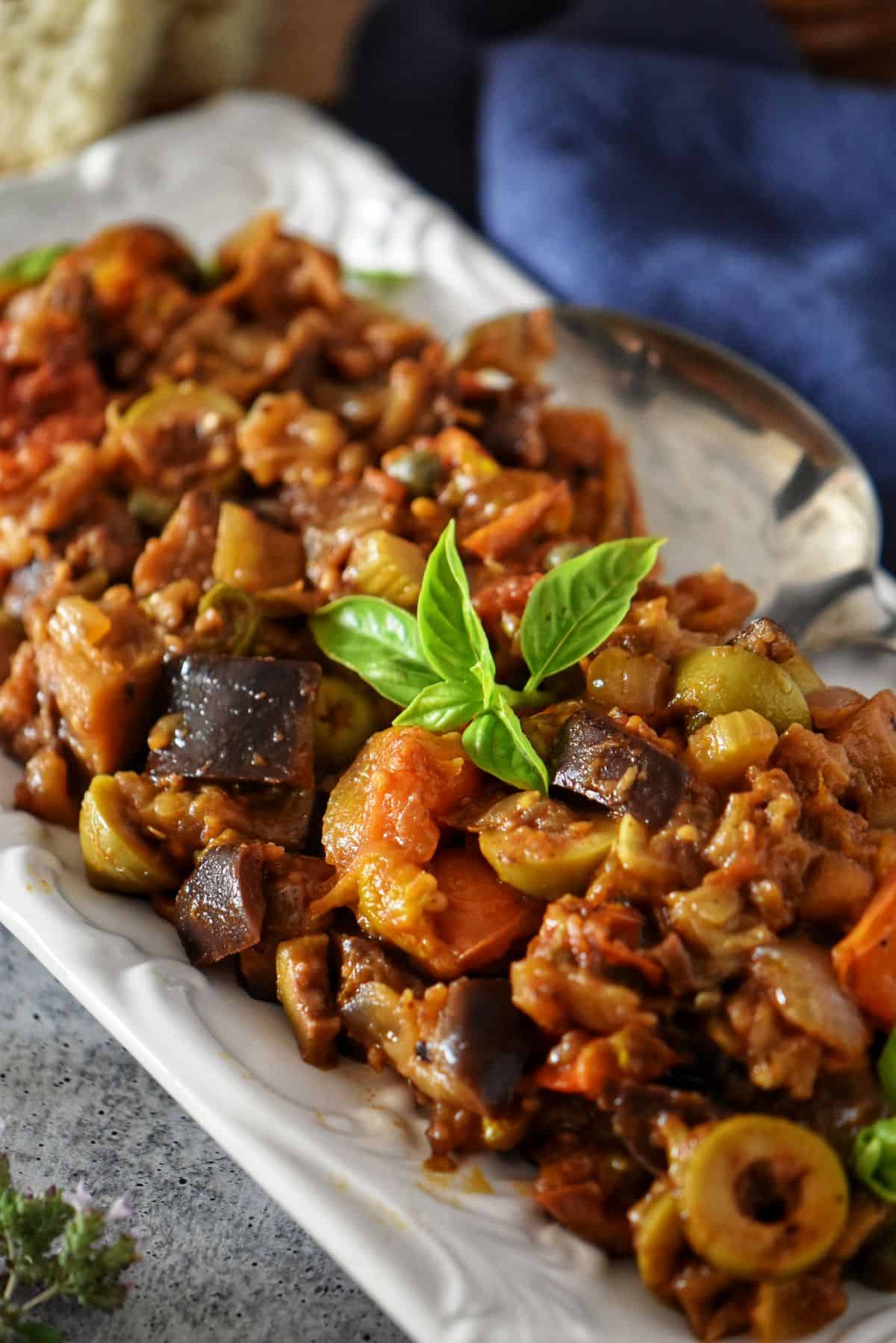
Eggplant caponata is my go-to Sicilian-inspired appetizer whenever I need something simple for entertaining family or friends.
It’s sweet, savory, and comes together in one pot with some of my favorite seasonal vegetables, ready in under an hour, with the flavor only improving the next day.
As a retired dietitian, I skip the traditional frying step here, using a gentler method that keeps all the classic sweet-and-sour agrodolce flavor without the extra oil.
Jump to:
Quick Overview
- Prep Time: 10-15 minutes
- Cook Time: 35-45 minutes
- Total Time: 45-60 minutes
- Yield: 8 servings
- Method: One pot, no frying
- Special Touch: Letting the caponata rest for a few hours (or overnight) before serving gives the flavors time to fully meld; it genuinely tastes better the next day.
- Dietary Note: Vegan, vegetarian, gluten-free.
- Serving Suggestions: Serve on crostini, with Tomato Focaccia Bread, or toss with pasta.
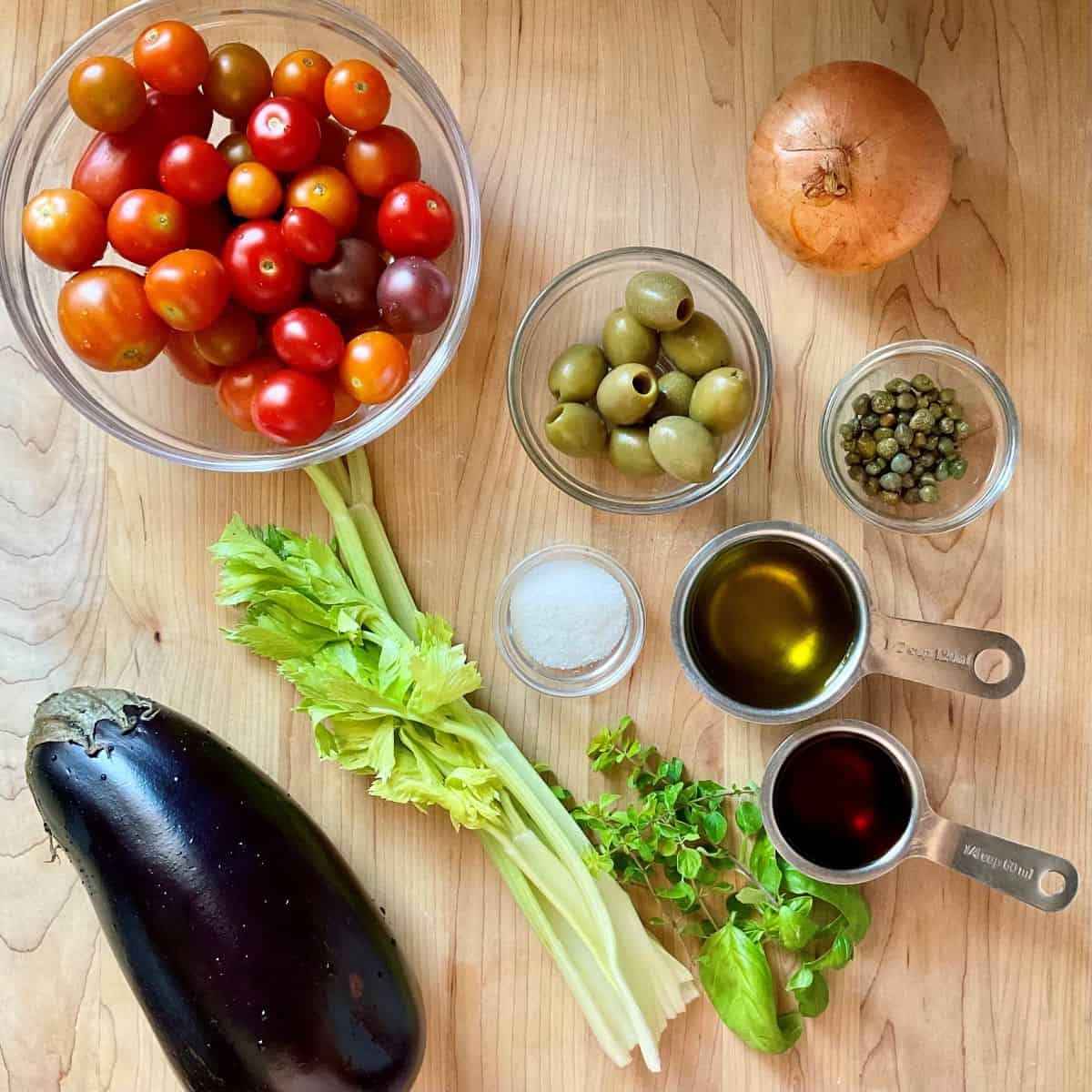
What You’ll Need
- Eggplant, cubed: Any variety works, but smaller, thin-skinned types (like Italian or Japanese) are naturally sweeter and more tender. If using a large globe eggplant, peel it if the skin feels tough, and cut it into smaller cubes so it cooks evenly.
- Olive oil: Use a good extra virgin olive oil for the best flavor; it's the base that ties everything together.
- Celery, chopped: Adds a subtle crunch and freshness that balances the richness of the eggplant.
- Onion, diced: A classic flavor base; it softens and sweetens as it cooks.
- Cherry tomatoes or plum tomatoes, halved or chopped: Fresh, juicy tomatoes bring brightness and body to the sauce. In the summer, I love using cherry tomatoes straight from the garden, but in the winter, I've also had excellent results with frozen tomatoes - a great way to enjoy caponata year-round.
- Green olives, chopped: Choose firm, briny olives (like Castelvetrano) for that signature Sicilian bite.
- Capers: Salty and tangy, they add a punch of flavor that makes caponata so distinctive.
- Sugar: Just a touch to balance the vinegar and create the traditional agrodolce (sweet-and-sour) flavor.
- Vinegar: Red wine vinegar is classic, but white wine vinegar works too; it gives the dish its bright tang.
- Fresh herbs (oregano and basil), chopped: Stirred in at the end for a burst of freshness.
- Salt and pepper: Bring all the flavors together.
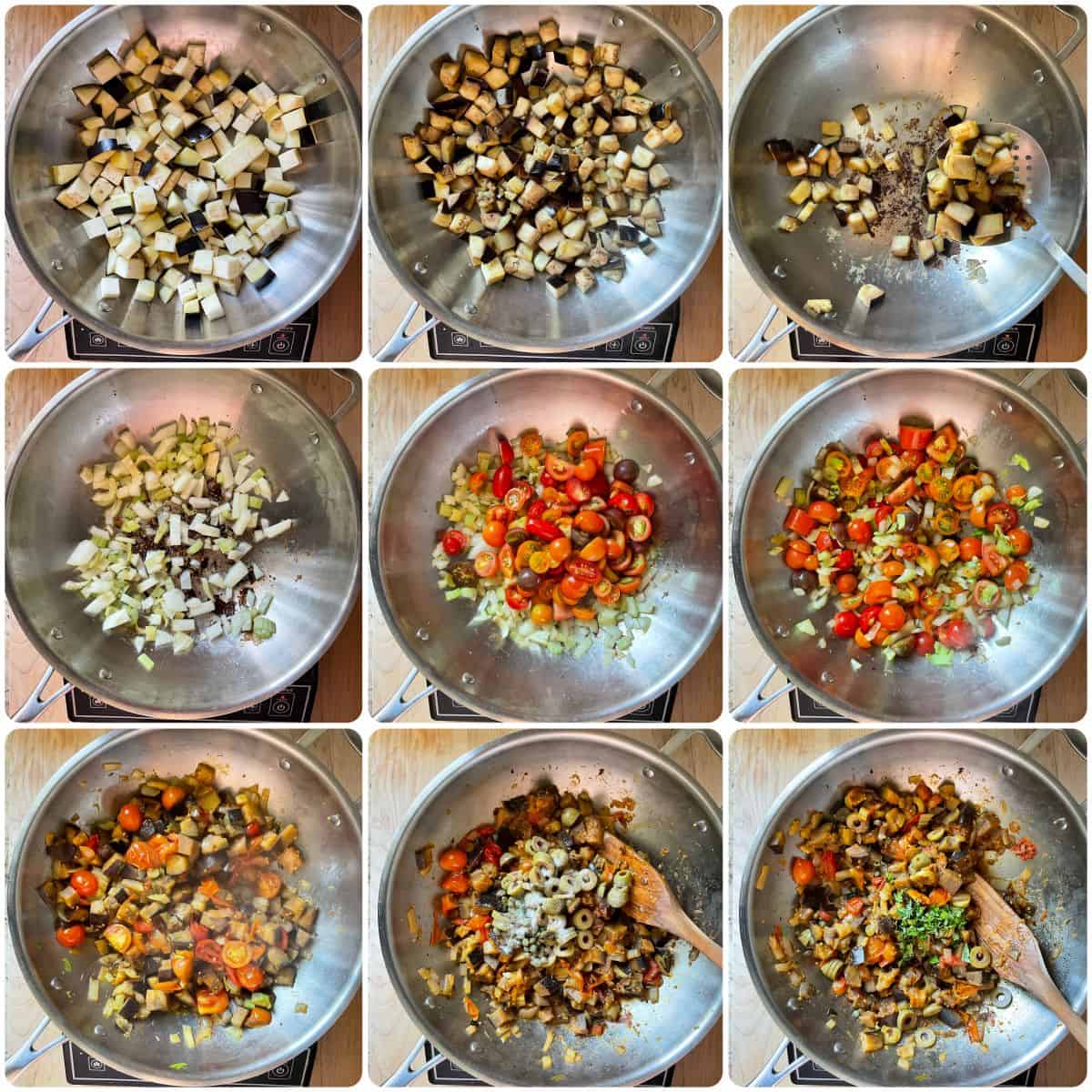
How to Make Eggplant Caponata
- Let's start with the eggplant: Heat 3 tablespoons (45 mL) of olive oil in a large pot over medium heat. Add your 1-1½ pounds (450-680 g) of cubed Italian eggplant and sauté, stirring occasionally, for about 6-8 minutes until the pieces are lightly browned and starting to soften. Once done, scoop them out and set aside for a bit.
- Next, the celery: To the same pot, add 1 tablespoon (15 mL) of olive oil. Add 3 stalks (6 oz / 170 g) celery, chopped into ½-inch pieces, and cook for about 5 minutes, until it starts to soften.
- Onion time: Add 1 medium onion (about 8 oz / 225 g), diced, along with another 1 tablespoon (15 mL) of olive oil. Cook for 5 minutes until it's soft and translucent - the kitchen will already smell amazing!
- Tomatoes join the party: Stir in 1 pound (450 g) of halved cherry tomatoes (or 4 chopped plum tomatoes). Let them cook for 3-5 minutes, until they release their juices and start to form a saucy base.
- Bring back the eggplant: Return your sautéed eggplant to the pot. Give everything a gentle stir, cover, and cook on low for 15-20 minutes, until the vegetables are tender and the flavors mingle beautifully.
- Finishing touches: Remove the pot from the heat. Stir in 65 g (about 10) chopped green olives, 2 tablespoons (20 g) capers, 1 tablespoon (12 g) sugar, and ¼ cup (60 mL) vinegar. Then sprinkle in 1 tablespoon (3 g) chopped oregano and 2 tablespoons (6 g) chopped basil.
- Taste and season with salt and pepper.
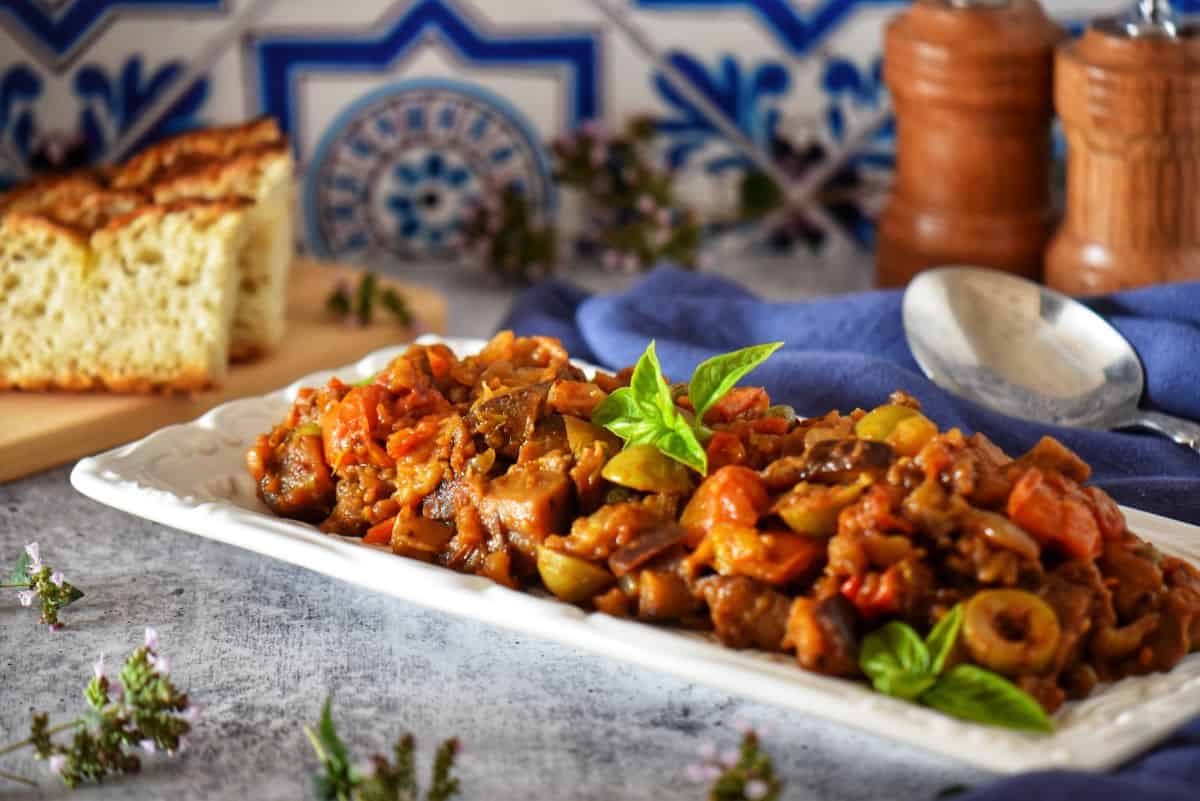
This caponata is wonderful at room temperature or slightly warm. Spread it on crostini, serve as a side, or toss with pasta. And don't worry - it actually tastes even better the next day once all the flavors have melded.
Tips
- Choose the right eggplant: Look for small to medium Italian eggplants with smooth, shiny skin. They tend to have fewer seeds and a sweeter flavor.
- Use good olive oil: Since the oil carries a lot of the flavor here, choose a fruity extra-virgin olive oil if you can.
- Cut evenly: Keep your eggplant, celery, and onion pieces uniform in size so they cook evenly and blend together nicely.
- Don't skip the simmer: Let the caponata simmer gently so the flavors meld together. It should be soft and jammy, not watery.
- Adjust sweetness and acidity: The balance of sugar and vinegar is key in caponata. Start with the amounts listed, then adjust to taste - some prefer it more tangy, others a touch sweeter.
- Don't skip the rest time: Caponata tastes best after it has cooled and rested for a few hours, or even overnight in the fridge. This gives the flavors time to meld together.
- Make ahead: Caponata keeps well in the refrigerator for up to 5 days. In fact, the flavor improves after the first day.
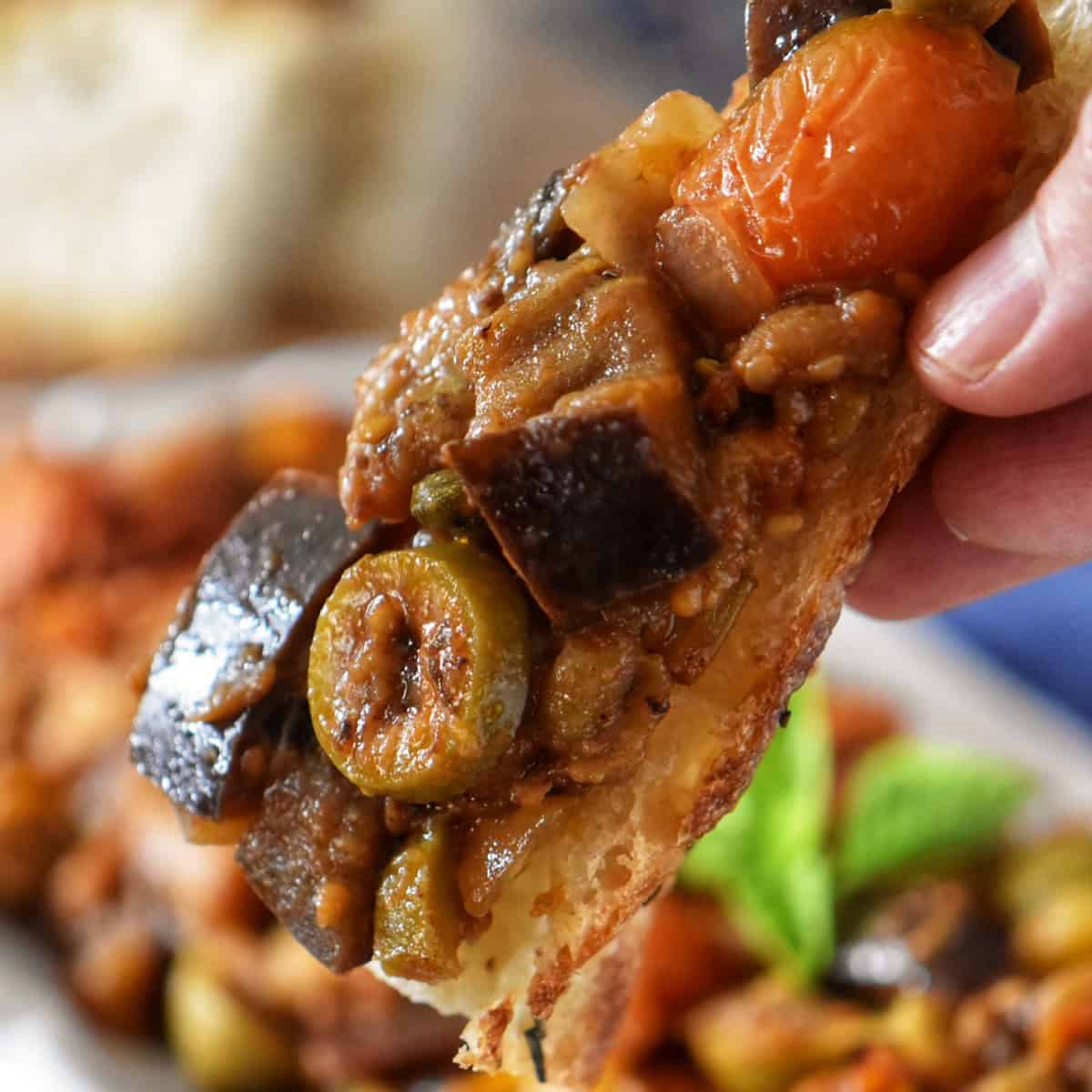
How to Serve Eggplant Caponata
- As an antipasto: Serve at room temperature with crostini or this Italian focaccia recipe.
- In sandwiches: Spoon it into an Italian panini bread with cheese and/or salumi.
- With grilled meats or fish: Caponata pairs beautifully with grilled chicken, pork, or a simple piece of fish.
- As a pasta topping: Toss a few spoonfuls with cooked pasta for a quick and light vegetarian meal.
- Part of a buffet: Include it on an antipasto platter with cheeses, cured meats, and marinated vegetables.
FAQ
Many traditional caponata recipes include pine nuts and/or raisins for extra texture and sweetness. This version keeps things simpler and lighter, relying on a touch of sugar and vinegar for that classic agrodolce balance.
Feel free to stir in a tablespoon or two of toasted pine nuts or raisins if you’d like.
Agrodolce is Italian for “sour-sweet,” referring to the balance of vinegar and sugar that gives caponata (and several other
Sicilian dishes) its signature sweet-and-sour flavour.
Yes! In fact, caponata tastes even better the next day once the flavors have had time to meld. You can prepare it a day or two before serving.
Store in an airtight container in the refrigerator for up to 5 days. Bring to room temperature before serving for the best flavor.
Yes, caponata freezes well. Place it in freezer-safe containers or bags and store for up to 3 months. Thaw overnight in the fridge, then bring to room temperature before serving.
Traditionally, caponata is served at room temperature, but you can also enjoy it slightly warm or chilled, depending on your preference.
They’re similar in that both are cooked vegetable dishes, but caponata is distinctly Sicilian, with its sweet-and-sour agrodolce flavour, olives, and capers, while ratatouille is a French dish without that same sweet-tangy profile.
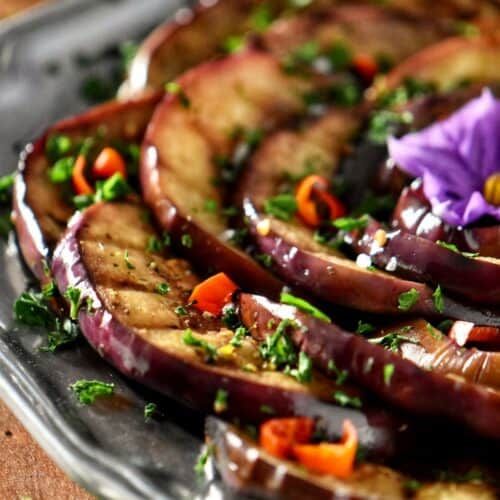
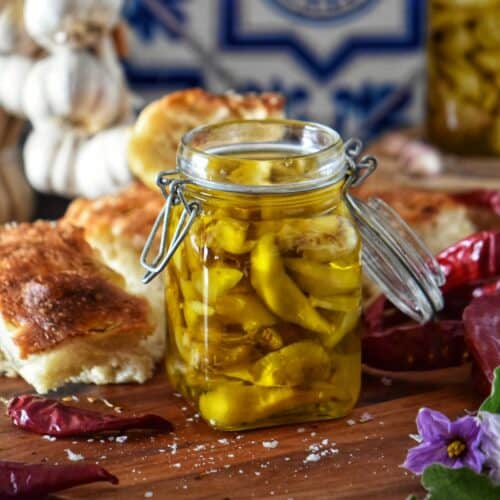
More Eggplant Recipes You'll Love
Can’t get enough of eggplant? Here are a few more ways to enjoy this versatile vegetable.
Recipe Origins
This appetizer recipe is inspired by the classic Sicilian eggplant caponata but made a little lighter.
Even as a retired dietitian, I'm always looking for ways to create healthier versions of traditional dishes without losing their essence. Instead of frying and/or salting the eggplant, I use a gentler cooking method that keeps the dish vibrant and full of flavor.
Another reason this version came about is simple: I always have an abundance of cherry tomatoes! Using them here not only adds freshness and color, but it also makes this caponata a perfect late-summer dish when eggplants and tomatoes are at their peak.
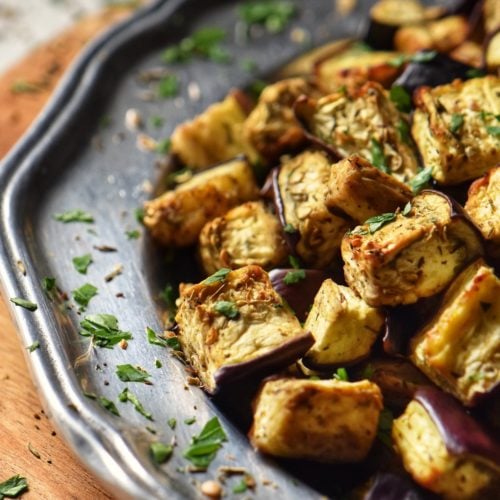
If you love eggplant as much as I do, my sister’s baked eggplant caponata offers a different, non-traditional version, roasted instead of one-pot, with balsamic, honey, and pine nuts.
This lighter version stays true to the spirit of Sicilian caponata - a dish meant for sharing, savoring, and celebrating the beauty of seasonal vegetables. Enjoy!
THANKS SO MUCH for following and being part of the She Loves Biscotti community, where you will find Simple & Tasty Family-Friendly Recipes with an Italian Twist.
Ciao for now,
Maria
★★★★★ If you have made this Eggplant Caponata recipe, I would love to hear about it in the comments below and be sure to rate the recipe!
Recipe

Eggplant Caponata
WANT TO SAVE THIS RECIPE?
Ingredients
- 75 mL olive oil separated, 5 tablespoons
- 450-680 grams eggplant 1-1½ pounds, cubed
- 3 stalks celery cut into ½-inch, with leaves
- 225 grams onion yellow, diced, 1 medium
- 450 grams cherry tomatoes 1 pound or 4 plum tomatoes, chopped or halved
- 65 grams green olives about 10 pitted, chopped, about ⅓ cup
- 20 grams capers well rinsed, 2 tablespoons
- 12 grams sugar granulated, 1 tablespoon
- 60 mL red or white vinegar ¼ cup
- 6 grams basil fresh, chopped, 2 tablespoons
- 3 grams oregano leaves fresh, chopped,1 tablespoon
- salt and pepper to taste
Instructions
- Sauté the eggplant: In a large pot, heat 3 tablespoons (45 mL) olive oil over medium heat. Add cubed eggplant and sauté for about 6-8 minutes, until lightly browned and starting to soften. Remove from the pot and set aside.
- Cook the celery: Add 1 tablespoon (15 mL) olive oil to the pot. Stir in chopped celery and sauté for about 5 minutes, until slightly tender.
- Cook the onion: Add 1 tablespoon (15 mL) olive oil to the pot. Add the diced onion and cook for 5 minutes, until soft and translucent.
- Add the tomatoes: Stir in halved cherry tomatoes (or chopped plum tomatoes) and cook for 3-5 minutes, until they release their juices.
- Combine and cook: Return the eggplant to the pot. Stir everything together, cover, and cook gently for 15-20 minutes, until all vegetables are tender and flavors meld.
- Finish the caponata: Remove from heat. Stir in chopped olives, capers, sugar, vinegar, and fresh herbs.
- Taste and adjust for seasonings.
- Serve: Let cool to room temperature or serve slightly warm. Great on crostini, as a side, or tossed with pasta.
Video
Notes
- Choose the right eggplant: Look for small to medium Italian eggplants with smooth, shiny skin. They tend to have fewer seeds and a sweeter flavor.
- Use good olive oil: Since the oil carries a lot of the flavor here, choose a fruity extra-virgin olive oil if you can.
- Cut evenly: Keep your eggplant, celery, and onion pieces uniform in size so they cook evenly and blend together nicely.
- Don't skip the simmer: Let the caponata simmer gently so the flavors meld together. It should be soft and jammy, not watery.
- Adjust sweetness and acidity: The balance of sugar and vinegar is key in caponata. Start with the amounts listed, then adjust to taste - some prefer it more tangy, others a touch sweeter.
- Don't skip the rest time: Caponata tastes best after it has cooled and rested for a few hours, or even overnight in the fridge. This gives the flavors time to meld together.
- Make ahead: Caponata keeps well in the refrigerator for up to 5 days. In fact, the flavor improves after the first day.
Nutrition
I originally published this post on August 29, 2025, and republished it on August 24, 2026, with updated content. Thanks for sharing!
Melissa A
I am an eggplant lover. And now this is one of my favorite recipes. I grew Japanese eggplant and used them in this recipe. Just perfect! I added the eggplant on pasta and this weekend plan to serve with crostini for my guests. Thank you for this wonderful recipe.
Maria
So thrilled to read this! Thanks for sharing Melissa ♥
Sara
Wonderful recipe! I love eggplant! Thanks Maria!
Maria
Thanks Sara! It really is such a wonderful vegetable.
Willow
How serendipitous! I will be harvesting my first eggplant and my tomatoes are ready as are my oregano and basil! I’m excited to try this recipe with my fresh homegrown produce!
Maria
How wonderful Willow! Enjoy!