


Learn how to freeze Swiss chard step by step, including exactly how long to blanch it for the best color, texture, and flavor. Frozen chard keeps for 6-12 months and is perfect for soups, stews, and more.
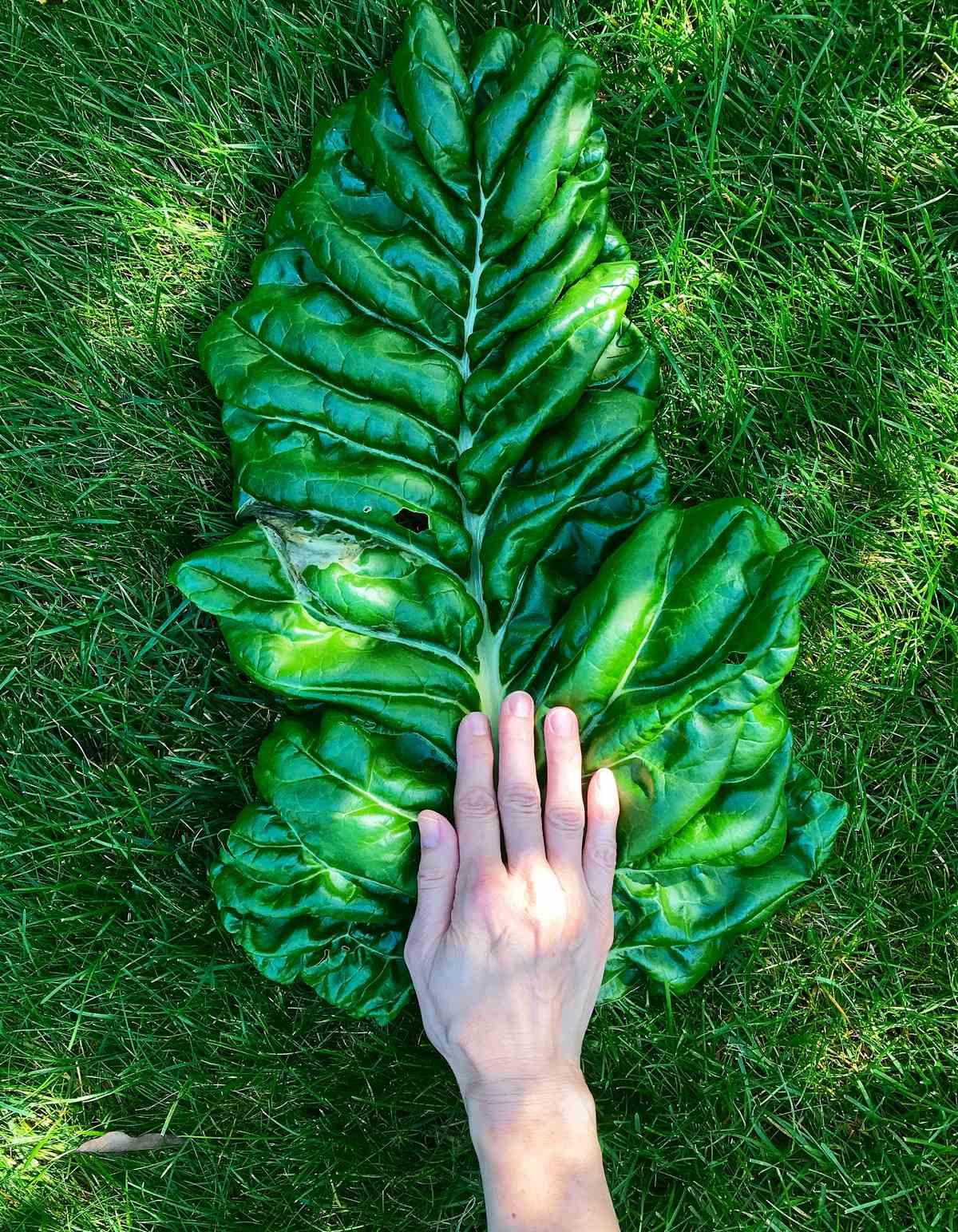
How to freeze Swiss chard comes down to one extra step most people skip: blanching. Here’s exactly how to do it, from harvesting to your freezer, so you can enjoy this leafy green all winter long.
Every summer my garden gives me more Swiss chard than I can possibly cook through in a week, and freezing it properly is how I keep that harvest going well into the colder months.
The trick is blanching it first: a quick dip in boiling water, then straight into an ice bath, which locks in the color, flavor, and nutrients before the chard goes into the freezer.
As a retired dietitian, I always encourage people to hang onto dark leafy greens like Swiss chard whenever they can; they’re genuinely one of the more nutrient-dense vegetables you can eat.
Freezing means you don’t have to rush to use a whole bunch before it wilts, and a properly blanched batch keeps its color, texture, and nutrition far better than one frozen without this step.
Jump to:
Quick Overview
- Prep Time: 15 minutes
- Blanch Time: 3 minutes for stems, 1-2 minutes for leaves
- Total Time: About 30 minutes
- Yield: Varies by bunch (about 1 cup per bunch after blanching)
- Method: Blanch, ice bath, drain, freeze
- Shelf Life: Blanched chard keeps 6-12 months in the freezer; unblanched chard should be used within about a month, as it loses color, texture, and nutrients much faster.
- Dietary Note: Naturally low-calorie and packed with vitamins A and C. Freezing (with proper blanching) preserves most of its nutritional value.
- Serving Suggestions: Use frozen chard straight from the freezer, no thawing needed, in Swiss chard soup with sausage, sautéed Swiss chard, or stirred into a frittata.
Harvesting Tips
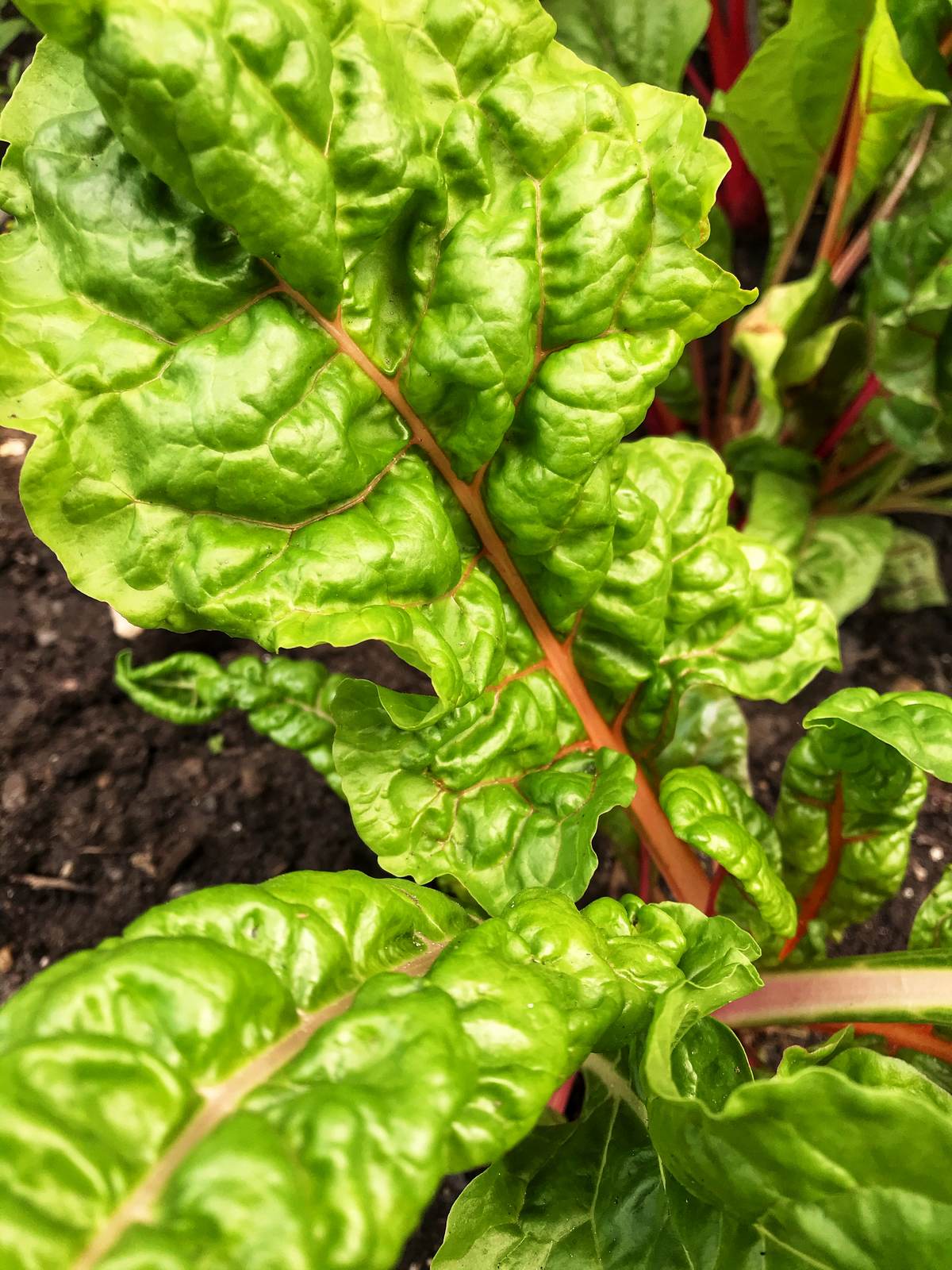
Gardeners who want to grow something unique and tasty should consider Swiss chard in their beds. Harvest can occur any time after thirty days, depending on whether you want to eat the tender leaves raw or cooked in a casserole, stew, or sauté dish.
Since this informative article focuses on freezing Swiss chard, it recommends waiting at least 45 to 60 days for the harvest. The large leaves and sturdy stems taste great and give you more volume to work with.
Harvesting is simple. Since both the stem and the leaves are edible, use a sharp knife or scissors to cut the Swiss chard stems low to the ground. The plants will continue producing leaves throughout the season until the first frost.
Washing and Cleaning
One of the first steps in freezing any vegetable is to wash and clean them thoroughly.
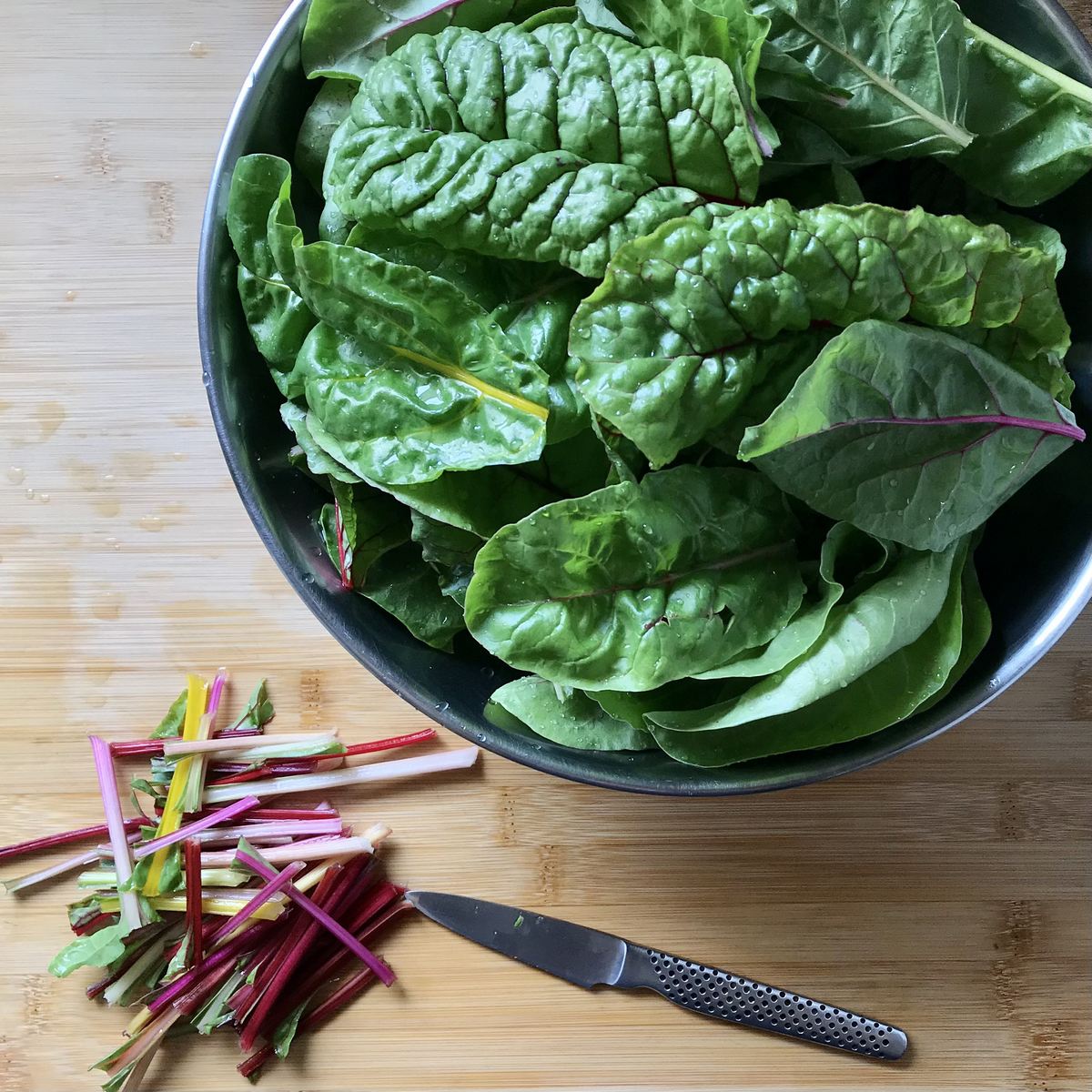
Swiss chard leaves are rather bumpy, with many crevices, so they have many spaces where dirt, sand, debris, or even insects can hide. There are two ways to remove all this grittiness.
The first is simply washing every piece carefully under cold running water. Gently rub so as not to bruise the leaves or stems.
Another step in this method includes filling a sink or large bowl with cold water and allowing the chard leaves to soak for 10 minutes. A final rinse under cold running water ensures they are ready for the next step in freezing.
This is a great moment to separate the Swiss chard stalks from the leaves as a time-saving tip. Use your knife to separate these two parts.
Blanching
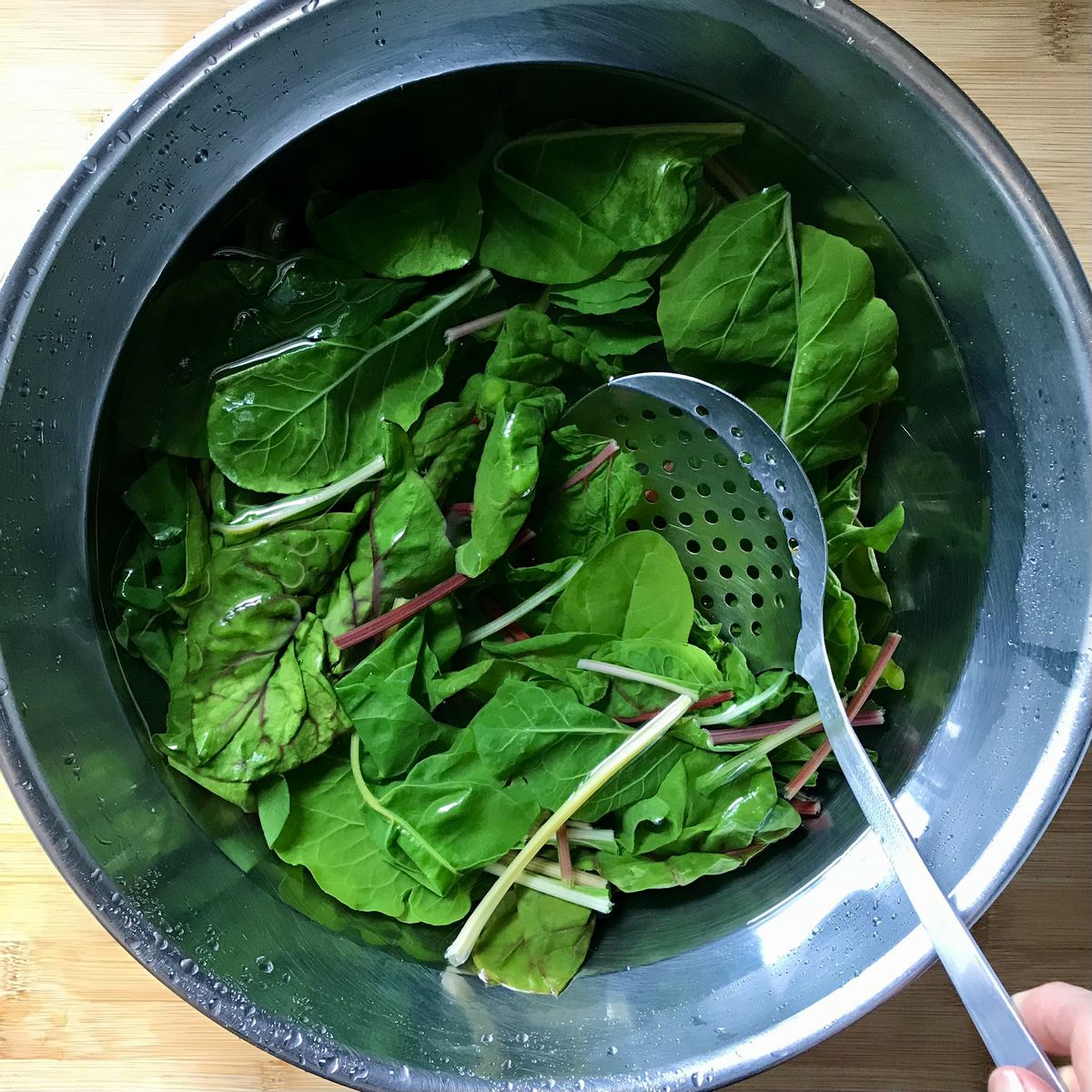
Blanching any vegetable stops the natural process that causes a loss of color, flavor, and nutrients. It is an important step in the freezing process of Swiss chard that should not be skipped.
Follow these simple steps to prepare these fresh greens for a successful trip to your freezer.
- Prepare a bowl of ice water large enough for your chard pieces to submerge.
- Bring a large pot of water to a rolling boil.
- Add the Swiss chard stalks and blanch for 3 minutes.
- Remove and plunge chard stems into the bowl of ice water. This immediately stops the cooking process.
- Transfer to a colander to drain.
- Next, repeat the same process with the chard leaves, but blanch for only one to two minutes. Be sure to submerge them completely in the water with tongs.
Freezing
After blanching, you will have a colander of colorful Swiss chard leaves and stems. You are now ready to freeze your harvested crop or prize from the market so you can use it throughout the colder months.
Do not chop up the blanched leaves before you freeze them unless necessary due to the size of the storage containers or freezer space you have.
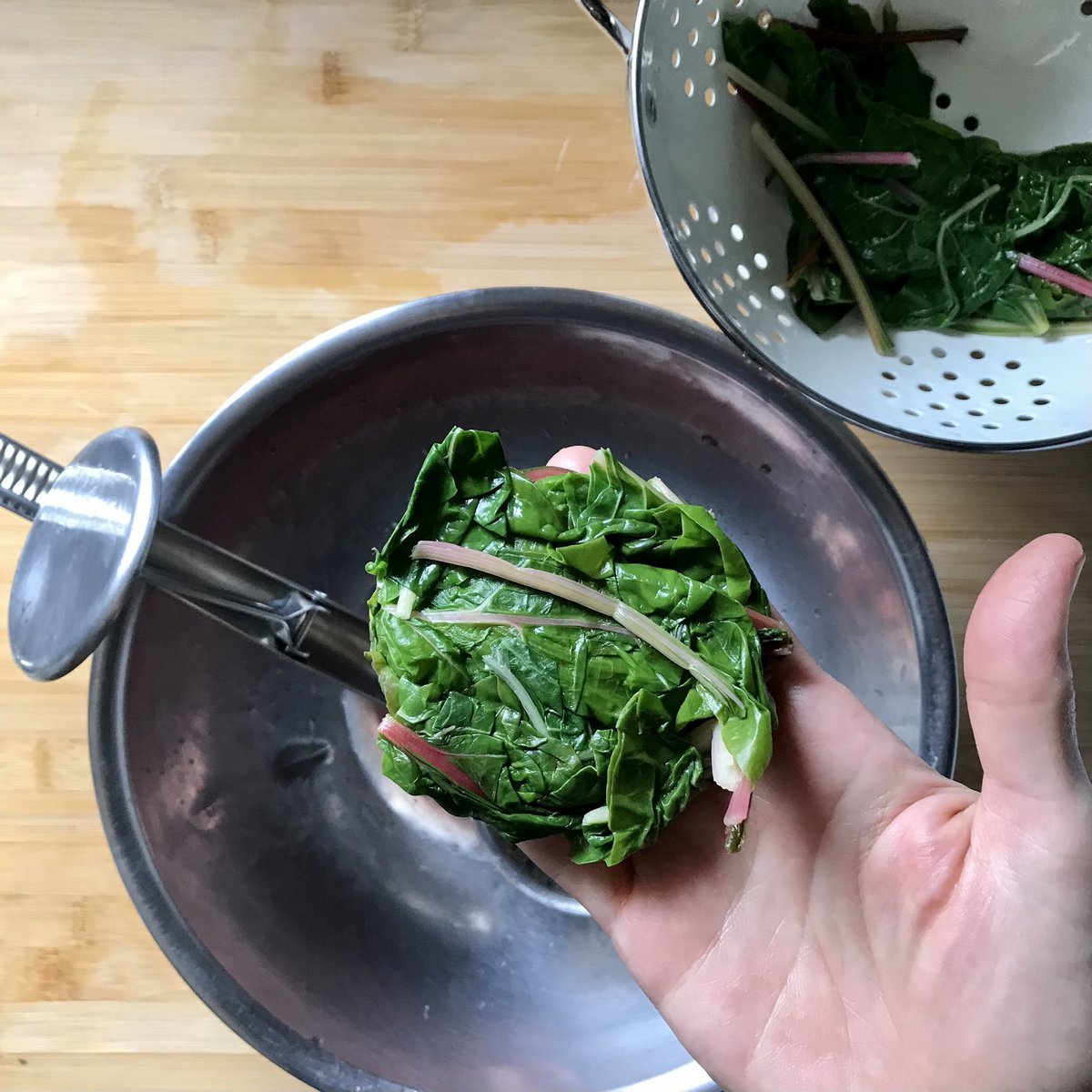
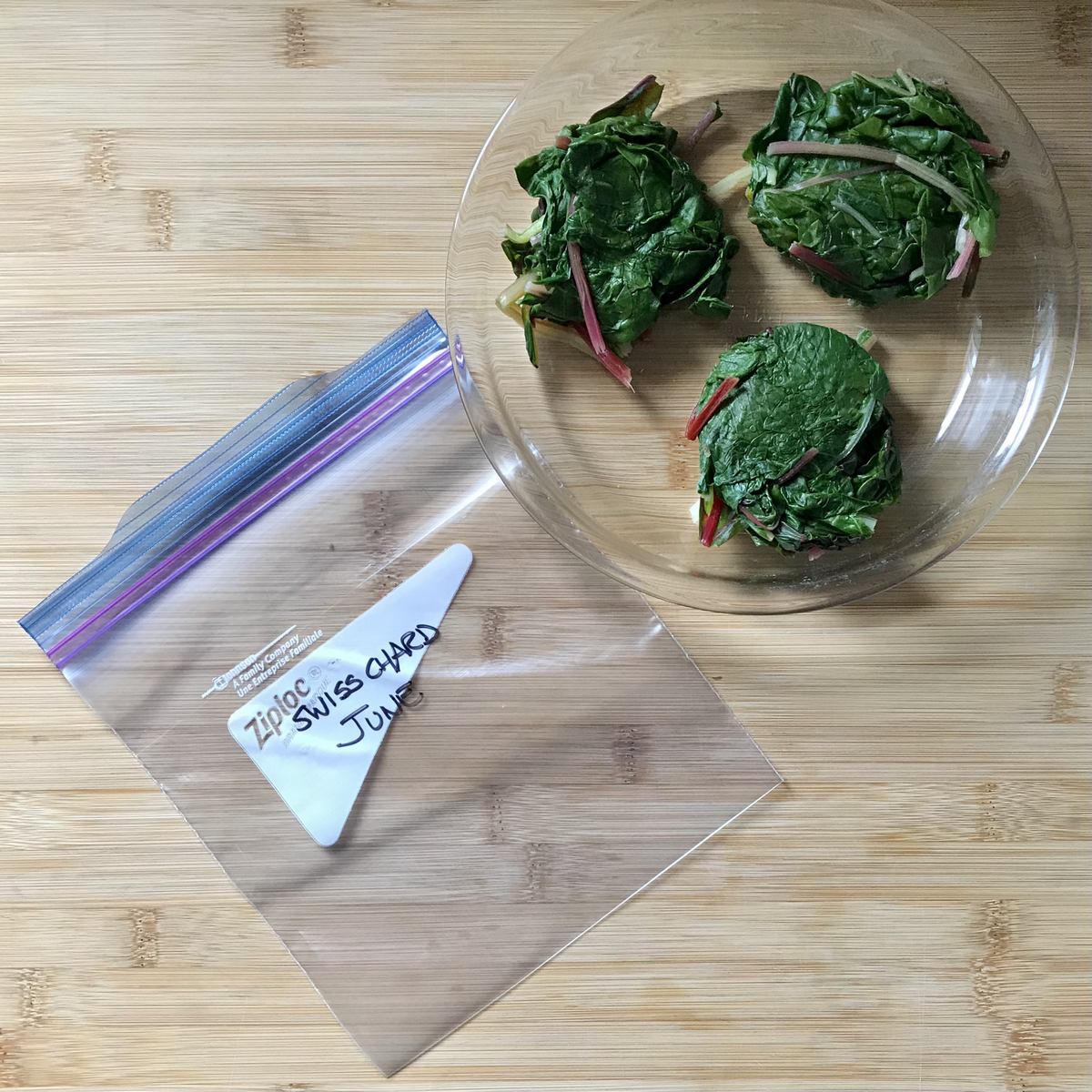
Always start with well-drained chard. To do so, use your hands to squeeze the excess moisture gently. Alternatively, use a potato ricer to squeeze out the excess water. There is no need to separate the stalks from the leaves.
Place in resealable ziplock bags. Use a straw or a sealer to remove as much air as possible from the freezer bags. This will help reduce the formation of ice crystals and freezer burn.
Label your bags by indicating the date and place the chard in the freezer.
That’s all there is to it.
Tips
- Avoid cutting up the leaves or stems into small pieces before freezing. This can contribute to a loss of nutrients and increases the possibility of degradation.
- Use a large stockpot to ensure plenty of volume for the chard to blanch quickly.
- There is NO NEED to add salt as we are not cooking the chard.
- When blanching the stems and the leaves, please do not leave them too long. You do not want to cook the chard during this process.
- Start the timer (3 minutes for stalks and 1-2 minutes for the leaves) when the water returns to a rolling boil after adding the chard pieces.
FAQ
Blanch the stems for 3 minutes and the leaves for just 1 to 2 minutes. Start timing once the water returns to a full boil after adding the chard.
You do not have to blanch this vegetable before freezing it. However, failure to do so means that the action of enzymes in the plant is still working. This mechanism ripens vegetables when growing and makes them wilt and deteriorate after harvest. While freezing also helps to stop enzymatic action, blanching creates a much better-finished food overall.
Yes, Swiss chard freezes very well. For the best colour, texture, and nutrient retention, blanch it briefly before freezing, though it can also be frozen raw if you’re short on time.
Blanched chard holds its colour, texture, and nutritional value for 6 to 12 months in the freezer. Unblanched chard will still freeze, but it tends to lose quality much faster, so it’s best used within a month or so.
Your blanched frozen greens will last anywhere from six months to a year. While it may still be good after that, you will probably not want to wait long to make some delicious recipes that include this tasty green vegetable.
Yes, the method to freeze it is the same as that for Swiss chard.
How to Use Frozen Chard in Recipes
Now that you have a large collection of frozen chard, what can you do with it?
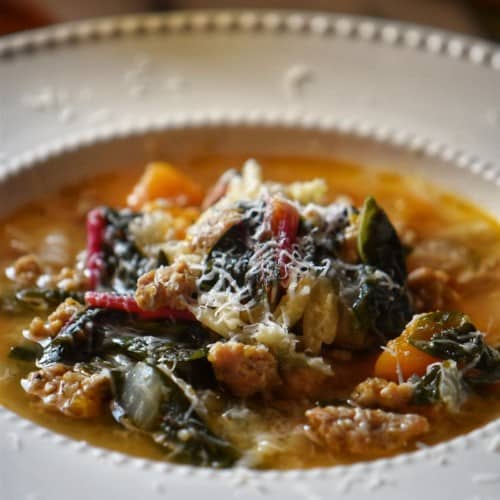
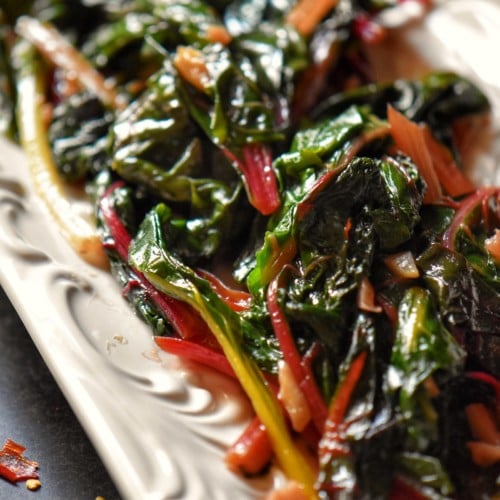
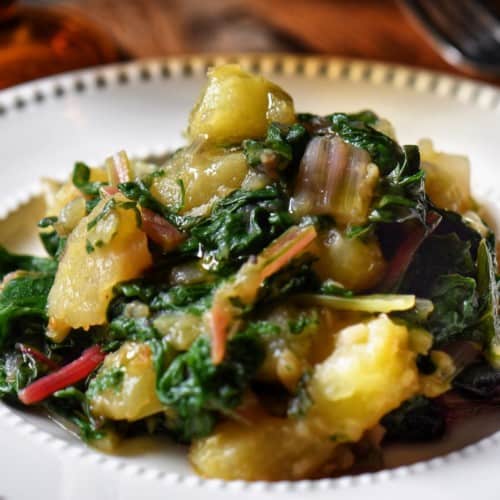
It works well for many recipes. Its delicate, fresh flavor is so delicious yet unobtrusive that you can add it to almost any soup, stew, casserole, or stir fry you try. A family favorite is this Swiss chard soup. Another of my go-to recipes when I’m in a hurry is this Rainbow chard recipe, which also works well with Swiss chard.
In most cases, you do not need to thaw the frozen chard before using it in a recipe.
You can use chard just like you would spinach in almost any recipe. Roast it alongside bulkier vegetables, stir it into a frittata, or mix small pieces into quick bread or savory muffins.
Swiss Chard Recipes
Ready to put your frozen chard to work? Here are a few of my favorite ways to use it.

How to Preserve Fresh Produce
I love finding simple ways to make seasonal ingredients last a little longer. Here are a few easy methods to help you preserve fresh fruits and vegetables and reduce waste.

Summary
Once you learn how to freeze chard, you can have delicious and nutritious greens to add to various recipes year-round. Harvesting, preparing, blanching, and freezing Swiss chard is a simple process that never involves any complicated tricks or specific kitchen gadgets.
Add this unique leafy green to your garden and meal plan today and enjoy the mild flavor. It’s a great way to meet the recommendation of eating more dark leafy greens.
THANKS SO MUCH for following and being part of the She Loves Biscotti community where you will find Simple & Tasty Family-Friendly Recipes with an Italian Twist.
If this is your first time visiting, welcome! I would love to offer you my FREE weekly e-mail newsletter delivered straight to your inbox. You will also receive a FREE DOWNLOAD that summarizes my top 10 tips on How to Cook Pasta when you subscribe. You can unsubscribe any time you want.
Ciao for now,
Maria
★★★★★ Are you planning on preserving Swiss chard? I would love to hear about it in the comments below and be sure to rate this method!
Recipe
How to Freeze Swiss Chard
WANT TO SAVE THIS RECIPE?
Ingredients
- 1 bunch Swiss chard or as much as you want
- water
Instructions
- Properly rinse both the leaves and the stems under cold running water. An additional step to this method includes filling a sink or large bowl with cold water and allowing the chard to soak for a good 10 minutes.
- Prepare a bowl of ice water large enough for your chard pieces to submerge in.
- Bring a large pot of water to a rolling boil.
- Add the Swiss chard stalks and blanch for 3 minutes.
- Remove and plunge chard stems in the bowl of ice water. This immediately stops the cooking process.
- Transfer to a colander to drain.
- Next, repeat the same process with the chard leaves but blanch for only one to two minutes.
- Use your hands to squeeze the excess moisture gently. As an alternative, use a potato ricer to squeeze out the excess water. There is no need to separate the stalks from the leaves.
- Place in resealable ziplock bags.
- Use a straw or a sealer to remove as much air as possible. This, in turn, will reduce the formation of ice crystals.
- Properly label your bags by indicating the date and place your bag in the freezer.
Video
Notes
- Avoid cutting up the leaves or stems into small pieces before freezing. This can contribute to a loss of nutrients and increases the possibility of degradation.
- Use a large stockpot to ensure there is plenty of volume for the chard to blanch quickly.
- When blanching the stems and the leaves, please do not leave them in too long. You do not want to cook the chard during this process.
- Start the timer (3 minutes for stalks and 1-2 minutes for the leaves) when the water returns to a rolling boil after adding the chard pieces.
Nutrition
I originally published this post on July 14, 2021, and republished it on July 22, 2026, with updated content. Thanks for sharing.
val
One of my favorite leafy greens! I did not know you could freeze it!
Maria
It really is so delicious when making winter soups. Appreciate your comment, thanks Val.
Ellen
Hi Maria, Have you tried freezing basil leaves? If not, try this! Grip several stalks of basil with tongs and quickly swish them in a skillet of boiling water. Then spread on a towel to air cool. Do not rinse. When cooled and dried (not crackly dried) place in a zip-lock bag and freeze. Blanched basil is bright green, tender and sweetly aromatic.:)
Maria
Great tip. froze a whole bunch! Thanks so much for sharing Ellen!